
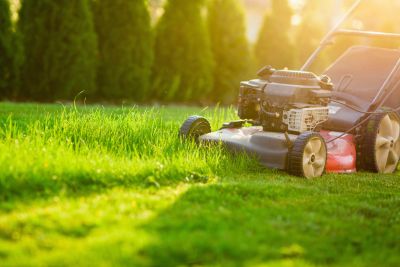
There is a moment before the mower ever touches grass that already tells you how the cut is going to go.
It is not visual.
It is not even planned.
It is the sound.
People who truly enjoy mowing do not just look at their equipment. They listen to it. Over time, the sounds become familiar in a way that is hard to explain to anyone who sees mowing as just another task to finish.
The First Sound That Matters
The pull cord, or the key turn, sets the tone. A clean start feels different than a reluctant one. You hear it immediately.
A smooth ignition brings confidence. A rough or uneven start puts you on alert. You may not even think about it consciously, but your ears are already diagnosing what kind of session this is going to be.
This is one of the first signs that mowing has shifted from chore to craft.
Idle Tells a Story
Once the engine settles, the idle says more than most people realize.
A steady idle signals calm and ready. A hunting or uneven idle sounds distracted, like the mower has not quite made up its mind. Experienced mowers pick up on this instantly. They know whether the machine is warmed up, whether it needs a moment, or whether something is slightly off.
You might still mow.
But you are listening now.
The Sound of the Cut
There is a very specific sound when the blade meets grass just right.
Too light and it feels hollow, like the mower is skating.
Too heavy and it bogs, the engine working harder than it should.
The right sound sits in between. It is full. Confident. Almost smooth.
That sound is feedback. It tells you your speed is right, your height is right, and the mower is working with you instead of against you.
People who love mowing adjust their pace by ear as much as by sight.
When the Sound Changes
Mid-cut changes always get noticed.
A sudden shift in pitch can mean thicker grass, a damp patch, or a slight change in terrain. Sometimes it signals a missed adjustment. Sometimes it just reminds you to slow down.
You do not need a gauge or a display to notice it. The sound tells you before anything else does.
The Quiet After
Then comes the silence.
When the engine shuts off and the ringing fades, there is a pause. A moment where you stand there, hands still on the handle or arms resting, listening to nothing.
That quiet matters. It is the punctuation mark at the end of the work.
Only after that pause do most people really look at the lawn.
Why These Sounds Stick With You
The sounds of mowing become seasonal markers. They are tied to time of year, temperature, and memory. You can hear the difference between a spring cut and a mid-summer grind. You can remember certain lawns by sound alone.
That is not something you learn from instructions or tips. It comes from time spent behind the mower.
And once you notice it, you never stop listening.
Mowing might start with grass, but for those who truly enjoy it, it is just as much about the sound.